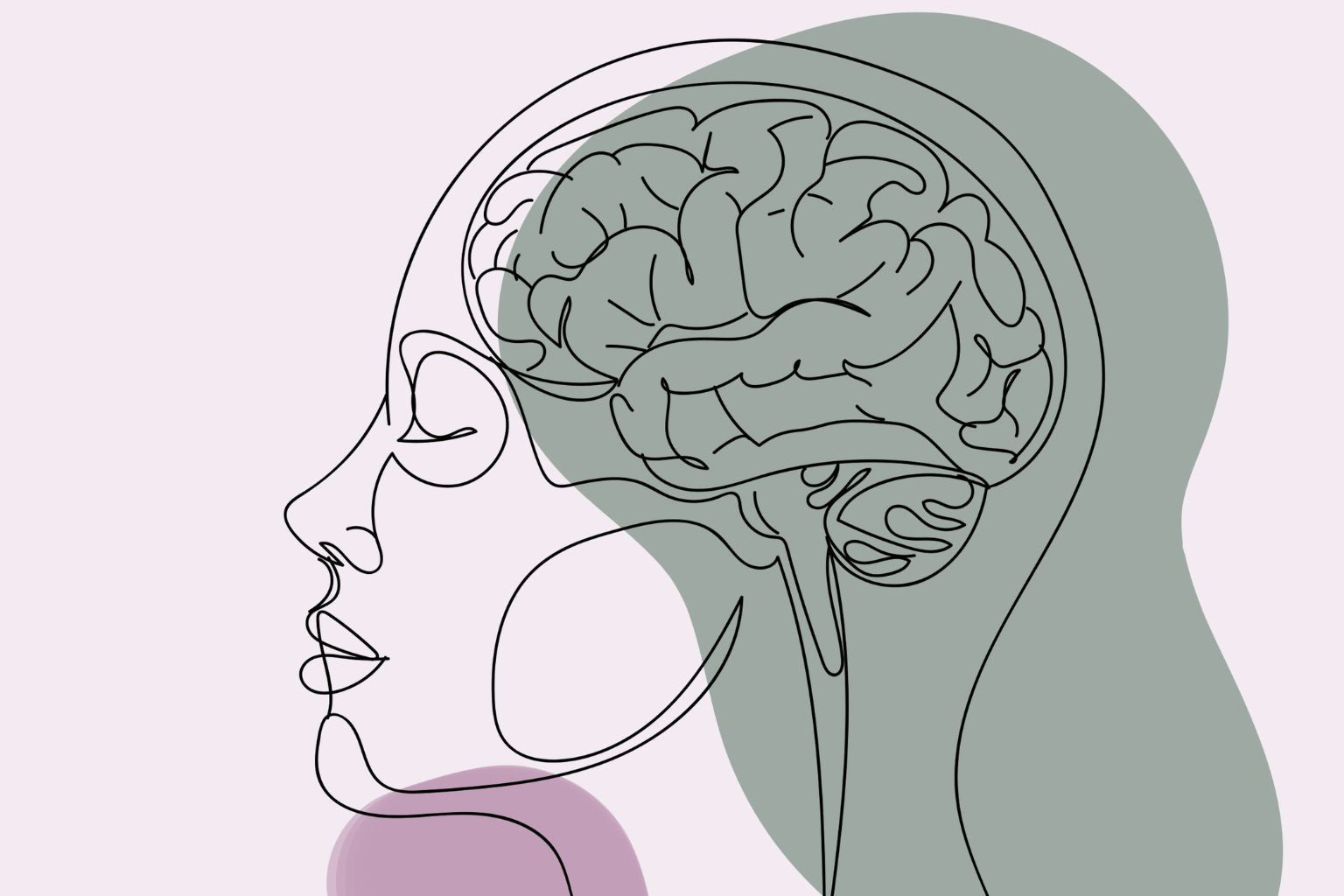



When Your Mind Never Takes a Break: What Mental Load Feels Like
The day is over, yet your mind keeps racing. Grocery shopping, organizing appointments, remembering birthdays, handling work tasks, or coordinating daily family life: Many people constantly carry countless to-dos around in their heads. This invisible mental work is called mental load.
It’s not just about having a lot to do. Mental load describes the constant responsibility of having to think of everything and organize everything. Over time, this mental strain can make it difficult to unwind, and even quiet moments no longer feel restful.
How Does Mental Load Develop? Common Causes
Mental load usually doesn’t arise from a single task, but rather from the accumulation of many small responsibilities in everyday life. Often, it’s the invisible tasks—such as planning, organizing, and thinking things through—that, over time, develop into a constant mental burden.
One of the most common causes is an unequal distribution of responsibility. In many families or relationships, one person takes on the majority of the organizational tasks: they keep track of doctor’s appointments, plan grocery shopping, organize daily family life, or ensure that important deadlines are met. This mental work often goes unnoticed by others, yet it takes a great deal of energy.
Professional demands can also contribute to mental load. Being constantly available, having to make many decisions, or coordinating multiple tasks simultaneously places a constant strain on the brain. Added to this are often high expectations of oneself. The desire to do everything perfectly or to avoid disappointing anyone can further intensify the mental pressure.
Last but not least, emotional responsibility and caregiving also play a role. Many people feel responsible for ensuring that their family, children, partner, or team is doing well. This constant worrying and thinking about others can make it impossible for the mind to switch off, even during quiet moments.
Mental load therefore often arises from the interplay of various factors. The more responsibility a person bears over the long term, the greater the risk that the mental strain will eventually lead to exhaustion.
Symptoms: How to Recognize Excessive Mental Load
Mental load often develops gradually. Many people don’t realize until it’s too late just how much the constant mental strain is affecting them.
Typical signs include:
- Thoughts constantly revolve around to-do lists
- Difficulty switching off
- Exhaustion despite getting enough sleep
- Trouble concentrating
- Forgetfulness
- Irritability
- Inner restlessness
- Feeling constantly on edge
- the feeling of being responsible for everything
The longer this state persists, the greater the risk that chronic stress will impair physical and mental health.
Why Constant Responsibility Is So Exhausting
Mental load means having to constantly think about everything—often even when the day is long over. The brain remains constantly active and barely has time to recover. The result: You feel exhausted, even though you may not have actually done that much physically.
1. Constant responsibility can be so stressful for the following reasons:
- The brain is constantly at work: planning appointments, organizing errands, or remembering important tasks—your mind keeps working in the background all the time.
- Too many decisions drain energy: Every decision, no matter how small, consumes mental resources. The more decisions you have to make, the faster mental exhaustion sets in.
- It’s hard to relax: Many people can’t switch off even in their free time or before falling asleep because their thoughts are already circling around the next day.
- Stress becomes a chronic condition: If the mental strain persists over a long period, stress levels can remain permanently elevated. This affects both the body and the mind.
- The strain often remains invisible: Since mental load is hardly noticeable to others, many people affected feel left alone to deal with their burden.
2. Possible Consequences of Chronic Mental Strain
- Persistent exhaustion
- Difficulty concentrating
- Inner restlessness
- Sleep problems
- Irritability
- the feeling of constantly having to keep going
- Less energy and joy in everyday life
The sooner mental load is recognized, the easier it is to take countermeasures. Even small changes in daily life can help clear your mind and create more space for rest.
Natural Support for Mental Load
When daily life takes a constant toll, taking a holistic view of your own well-being can help. In addition to getting enough sleep, exercising regularly, and taking intentional breaks, medicinal plants have also played an important role in naturopathy for centuries. They are traditionally used to promote inner peace, support mental balance, and help the body cope during stressful periods of life.
That said, medicinal plants are not a substitute for a healthy lifestyle or medical treatment. However, when incorporated into a mindful daily routine, they can be a natural way to support mental well-being and help you regain a sense of calm.
1. Medicinal plants traditionally used for stress and mental strain:
- Lavender is traditionally used to promote calm and relaxation.
- Passionflower is traditionally used to support serenity.
- Lemon balm is traditionally associated with inner peace and balance.
- Oats are valued in traditional herbal medicine for strengthening the nerves.