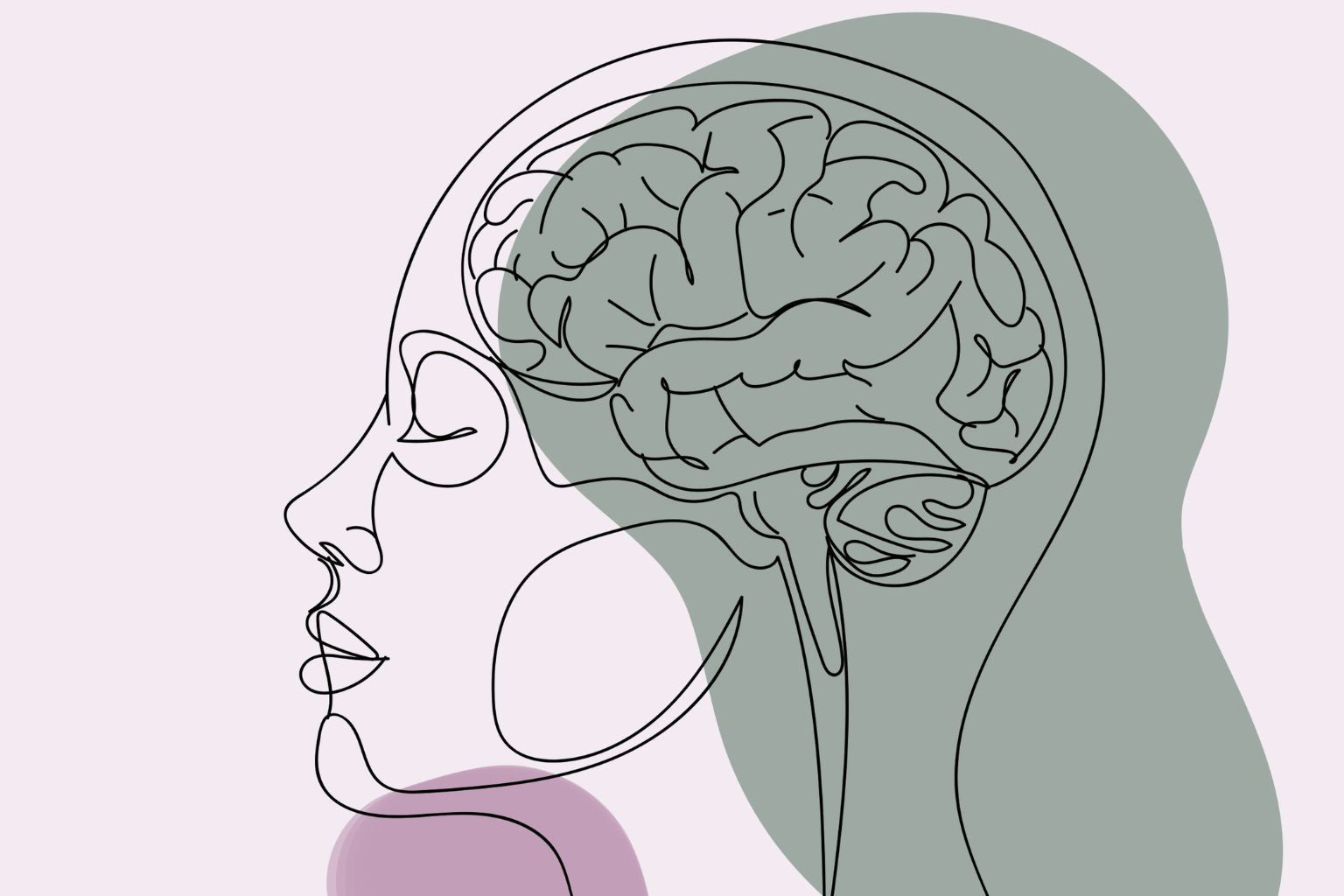



Why Mental Load Can Be So Exhausting
Many people feel exhausted in the evening, even though they don’t seem to have accomplished anything particularly significant. The reason often lies in a burden that is barely visible from the outside: mental load.
It’s not just about the tasks themselves, but about the responsibility of constantly having to keep everything in mind. Coordinating appointments, planning shopping, keeping track of deadlines, or reminding others of their obligations—all of this requires mental energy even before anything is actually done.
This is precisely what makes mental load unique. The brain remains constantly active, planning ahead and trying not to forget anything. Without sufficient periods of rest, this constant mental organization can lead in the long term to stress, exhaustion, and the feeling of never truly being able to switch off.
Causes and Connections
Mental load rarely arises from a single task. Rather, it develops where responsibility, expectations, and constant availability converge. What matters is not the sheer volume of tasks alone, but the constant mental readiness to have to think of everything.
1. The responsibility for organization often falls on one person
In many families, partnerships, or teams, tasks may be distributed, but the organization behind them often falls to one person. Whoever coordinates schedules, keeps track of deadlines, or remembers what needs to be done next bears a large part of the mental load.
This often creates the feeling of being constantly responsible—even when others help with the practical implementation. The actual strain often lies not in the doing, but in the constant need to stay on top of things.
2. Constant availability makes it harder to switch off
Smartphones, messaging apps, and emails ensure that work and personal tasks remain ever-present. Even during downtime, new information is processed, schedules are coordinated, or problems are solved.
As a result, the brain has fewer and fewer opportunities to truly switch off. In the long term, this state can contribute to stress responses being triggered more frequently and make it harder to recover.
3. Perfectionism increases mental strain
People who set high standards for themselves often take on more responsibility than they actually need to. They don’t want to forget anything, want to do everything right, and want to control every situation as much as possible.
This not only increases the number of tasks but also the internal pressure. Small obligations quickly turn into a constant mental presence that drains energy and concentration.
4. Work, family, and daily life compete for attention
Many people switch between different roles every day. Work demands, family obligations, social interactions, and personal needs must all be managed simultaneously.
The more areas that need to be coordinated, the greater the risk that the brain remains in constant planning mode. It is precisely this constant switching between different responsibilities that is one of the key factors contributing to mental load.
Typical symptoms or signs
Mental load often goes unnoticed for a long time. Many affected individuals initially only notice that they feel more exhausted, irritable, or less resilient. The actual cause is often only recognized once the mental strain has persisted for an extended period.
1. Constant rumination hinders recovery
A typical characteristic of mental load is the feeling of never truly being able to switch off. Even in moments of leisure, thoughts revolve around Appointments, obligations, or unfinished tasks.
This keeps the brain constantly active, even though it should actually be resting. Many people affected therefore report feeling restless and as though they are constantly “on call.”
2. Concentration problems may increase
The more information the brain has to process at once, the harder it is for it to focus on a single task.
This can impair concentration, memory, and decision-making ability. Even everyday tasks then feel more exhausting than usual.
3. Irritability and emotional exhaustion increase
People who are under high mental strain for an extended period often have fewer emotional reserves. Minor problems or unexpected changes can then be perceived as stressful more quickly.
Many people affected react more irritably, feel overwhelmed more quickly, or have the feeling that they are constantly under pressure.
4. Sleep problems can further exacerbate the strain
Mental load often doesn’t end when the workday is over. Many people also dwell on unfinished tasks or upcoming obligations at night.
This makes it harder to fall asleep or causes the quality of sleep to suffer. A lack of rest, in turn, can contribute to stress and exhaustion being felt even more acutely the next day.

Constant rumination, concentration problems, emotional exhaustion, and sleep disturbances are among the common signs of a persistently high mental load.
What helps in everyday life?
Mental load cannot always be completely avoided. However, even small changes can often help make responsibilities more visible and reduce the mental burden. It is crucial that not only tasks are distributed, but also the responsibilities behind them.
1. Make tasks visible and plan together
Many organizational tasks are only recognized once they are openly discussed or documented in writing. Shared calendars, to-do lists, or weekly schedules can help distribute responsibilities more transparently.
This not only makes the mental load more visible but also often distributes it more fairly among several people.
2. Set priorities consciously
Not every task is equally important. Trying to do everything at once often puts additional pressure on yourself.
It can be helpful to regularly assess which tasks are truly urgent and which can wait or be delegated.
3. Question perfectionism
High expectations of oneself often lead people to take on more responsibility than necessary. Yet the desire to organize everything perfectly often costs extra energy.
A more mindful approach to one’s own expectations can help reduce mental strain.
4. Actively schedule downtime
Mental recovery rarely happens on its own. People with high mental load, in particular, benefit from consciously scheduling set times for breaks, hobbies, or relaxation.
Such breaks give the brain the opportunity to step out of constant planning mode.
5. Accept support and share responsibility
Many people affected feel they have to organize everything themselves. In the long run, however, this can lead to being overwhelmed.
Consciously delegating responsibility and accepting support does not mean losing control. Often it is an important step toward sustainably reducing mental strain.
Natural Support and Medicinal Plants
While mental load is not caused by a lack of specific medicinal plants, naturopathy traditionally uses various plants to address stress, inner tension, or mental exhaustion. They cannot eliminate organizational stressors, but are often used as a complementary measure to support overall well-being.

Taiga root, wild jasmine, kava-kava, and juniper are traditionally used in naturopathy to support resilience, inner calm, and emotional well-being.
- Taiga root is traditionally used during periods of stress and strain. In naturopathy, it is often associated with physical and mental resilience.
- Wild jasmine is traditionally used for inner tension and nervous restlessness. The plant plays a role in naturopathic approaches, particularly for people who feel burdened by constant worrying or high mental pressure.
- Kava-kava has long been used to address inner restlessness and tension. The plant is traditionally valued when stress disrupts emotional balance.
- Juniper is frequently used in naturopathy in connection with resilience and vitality. Traditionally, it is used in approaches designed to support the body and mind during challenging phases of life.