

Back to blog

Your blog for natural health

Understanding Bach Flower Remedies: Use, Preparation, and the 7 Emotional Groups

  • 2 min read
Bachblüten verstehen: Anwendung, Herstellung und die 7 emotionalen Gruppen

What are Bach flowers?

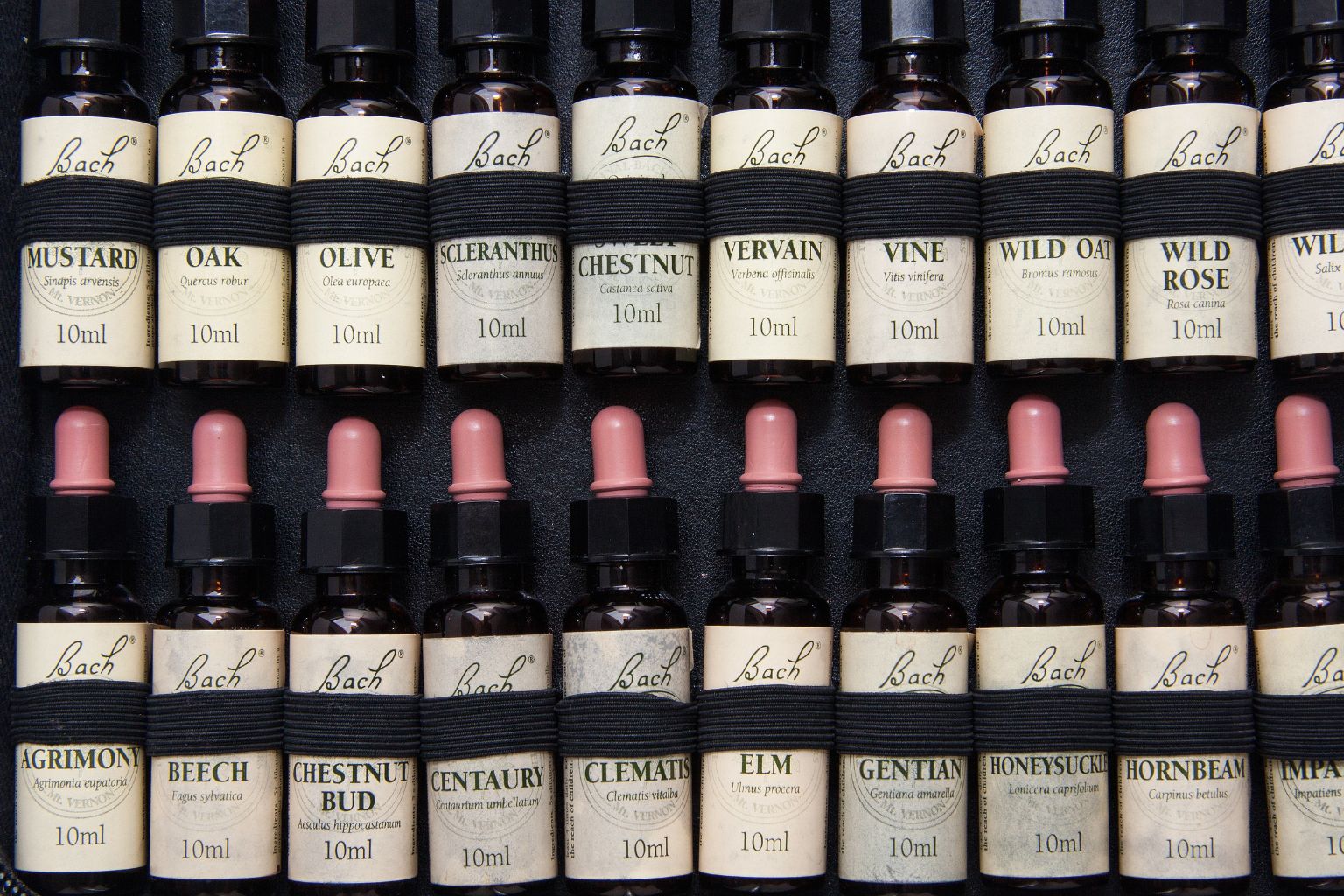
Bach flowers are 38 plant essences derived from wildflowers, shrubs, and trees, developed in the 1930s by the English physician Dr. Edward Bach.

They are traditionally used to gently support emotional distress such as stress, anxiety, insecurity, or inner restlessness, and to promote emotional balance.

Bach flowers are usually available as drops, but are also offered in the form of sprays, globules, or lozenges. Unlike conventional medications, they contain no pharmacological active ingredients in the usual sense.

Dr. Edward Bach and the Origin of Bach Flowers

Dr. Edward Bach was a physician, bacteriologist, and pathologist. During his medical practice, he studied the connection between emotional well-being and physical health in depth.

He was convinced that inner balance is an important foundation for general well-being. That is why he developed a system of 38 plant essences, each associated with specific emotional states.

His goal was a gentle and holistic method that considers the body and mind together.

How are Bach flowers supposed to work?

The Bach flower remedy is based on the assumption that certain plants are connected to specific emotional states. Traditionally, each of the 38 essences is said to address a specific emotional state—such as fear, insecurity, despondency, or inner restlessness.

The essences are intended to help gently restore emotional balance and promote positive feelings like trust, serenity, or inner strength.

Many people therefore use Bach flower remedies as a natural support during stressful life phases or emotionally challenging situations.

To date, the effects have not been conclusively proven scientifically. Nevertheless, Bach flower remedies have been valued in naturopathy for decades as a gentle and low-risk complementary treatment.

Production of Bach flower remedies

Bach flower remedies are traditionally produced using water, plants, and sunlight or heat. There are two classic methods:

1. The Sun Method

Fresh flowers are placed in spring water and left in the sun for several hours. According to traditional teachings, the plant’s properties are transferred to the water during this process.

2. The boiling method

Primarily woody plant parts or early-blooming flowers are gently boiled in water. The liquid is then filtered and processed further.

The resulting essence is subsequently heavily diluted and preserved.

Use & Administration of Bach Flowers

Bach flowers are usually selected individually and tailored to one’s personal emotional state. They are often taken as drops directly on the tongue or diluted in water.

Many people use Bach flowers for:

  • Stress and inner restlessness
  • Emotional strain
  • Sleep problems
  • Uncertainty
  • Changes in daily life

The so-called Rescue Remedy is particularly well known—a blend of five Bach flower essences traditionally used in acute stressful situations or when feeling nervous.

    The 7 emotional groups of Bach flowers

    Dr. Edward Bach divided the 38 Bach flower essences into seven emotional groups. These are intended to help better categorize certain emotional patterns.

    The classic groups include, among others:

    • Anxiety
    • Insecurity
    • Loneliness
    • Despair
    • Hypersensitivity
    • Lack of interest
    • Excessive concern for others

    The following overview shows the seven classic groups of Bach flower remedies and the essences associated with each.

    The 7 emotional groups of Bach flower therapy

    Latest Stories

    View all

    ADHS oder Brain Fog? So lassen sich die Symptome unterscheiden
    • Lisa-Marie Wörz

    ADHD or Brain Fog? Here's How to Tell the Symptoms Apart

    Why Are ADHD and Brain Fog Often Confused? People who often feel unfocused, forget appointments, or have trouble thinking clearly frequently wonder whether their symptoms are caused by ADHD or rather by brain fog. In fact, there are some similarities...

    Read moreabout ADHD or Brain Fog? Here's How to Tell the Symptoms Apart

    ADHS oder Autismus? Die wichtigsten Unterschiede einfach erklärt
    • Marina Formigoni Heinke

    ADHD or Autism? The Key Differences Explained Simply

    Why Are ADHD and Autism Often Confused? ADHD and autism are often confused with one another—not only by those affected, but sometimes also by people in their personal circles. This is because both are classified as neurodivergent conditions and can...

    Read moreabout ADHD or Autism? The Key Differences Explained Simply

    ADHS ohne Medikamente behandeln – welche Möglichkeiten gibt es?
    • Dr. Markus Kick

    Treating ADHD Without Medication—What Are the Options?

    Can ADHD be treated without medication? Many people first want to know whether ADHD can be treated without medication. The short answer is: Yes—but it depends on various factors. Age, the severity of symptoms, and the individual challenges of daily...

    Read moreabout Treating ADHD Without Medication—What Are the Options?

    Warum kommen bei einer ADHS-Diagnose mehrere Tests zum Einsatz?
    • Leni Hettrich

    Why are multiple tests used to diagnose ADHD?

    What ADHD tests are available? Anyone looking into ADHD will quickly come across a wide variety of different testing methods. From short online questionnaires to in-depth interviews, there seem to be countless options. But not every test serves the same...

    Read moreabout Why are multiple tests used to diagnose ADHD?

    Habe ich ADHS? Typische Anzeichen und wann ein Test sinnvoll ist
    • Lisa-Marie Wörz

    Do I Have ADHD? Typical Signs and When It Makes Sense to Get Tested

    What signs might indicate ADHD? Perhaps you’ve wondered at some point why certain tasks seem much harder for you than for others. You constantly lose your train of thought, forget appointments, or feel like you can never really switch off....

    Read moreabout Do I Have ADHD? Typical Signs and When It Makes Sense to Get Tested