

Heat vs. the Body: When Your Circulation Fails
Whether it’s dizziness, a throbbing headache, flickering vision, nausea, or sudden fainting—extreme summer temperatures put our bodies under extreme strain. But why does the body actually react so strongly to heat, and how do these typical circulatory problems arise?
1. The Body’s Own Cooling System Under Constant Stress
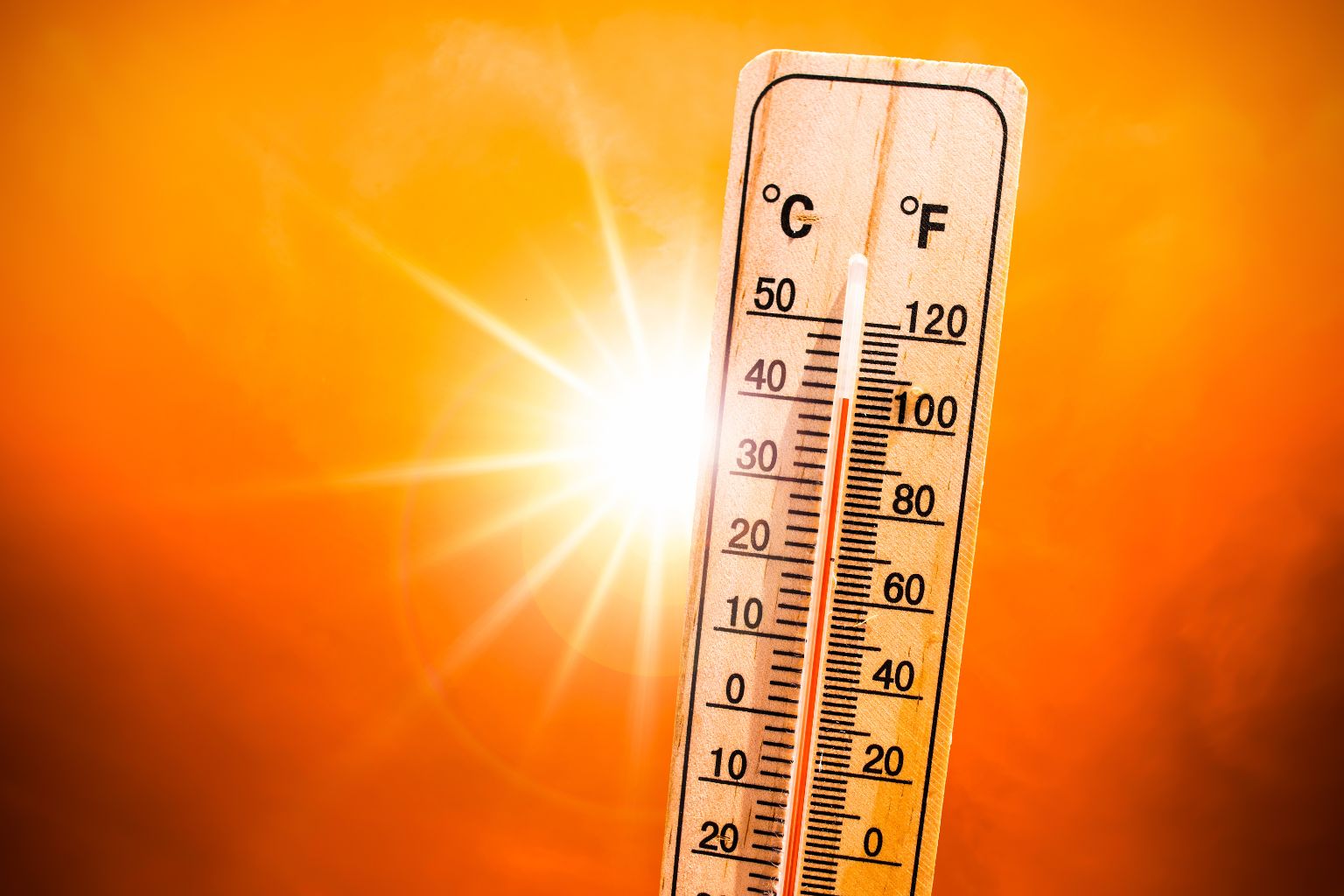
Our body is programmed to maintain a constant core temperature of about 37 °C. When outside temperatures rise, the brain activates thermoregulation. This essentially occurs through two mechanisms that place a heavy strain on the circulatory system:
- Vasodilation
To release excess heat to the environment through the skin, the blood vessels dilate, causing blood pressure to drop rapidly. - The Sweat Trap
To cool itself through evaporative cooling, the body produces sweat. Anyone who does not drink enough at this point loses a massive amount of fluid and important electrolytes. The blood thickens, total blood volume decreases, and blood pressure drops even further.
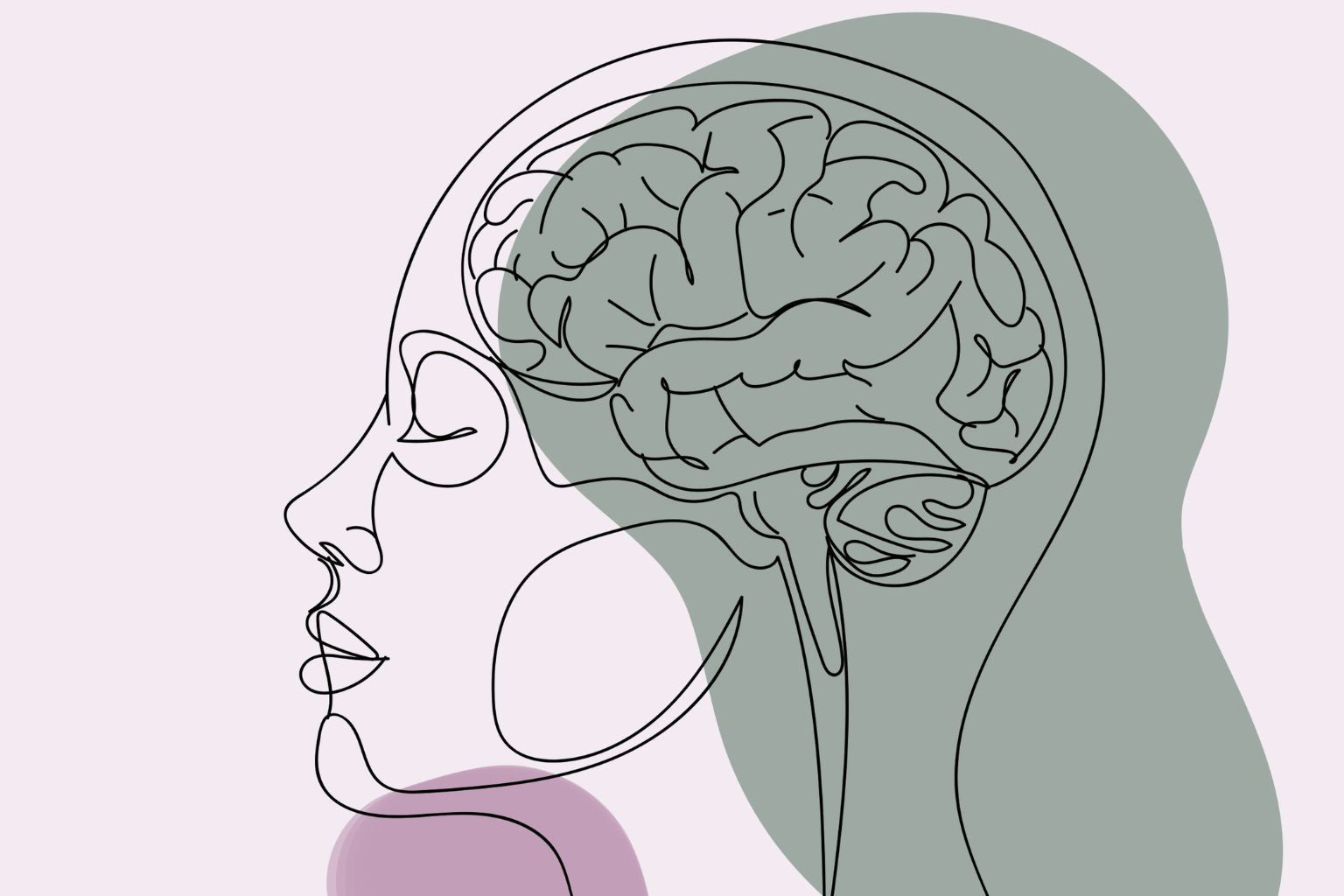
2. Oxygen Deprivation in the Brain
If blood pressure drops too low, the heart can no longer pump enough blood. The result is a brief shortage of oxygen and nutrients to the brain.
At precisely this moment, the body sends out the typical warning signals: The system reacts with dizziness, difficulty concentrating, flickering vision, or nausea—all the way up to the body’s life-saving “emergency shutdown,” which is fainting.
First Aid: What to Do If Your Body Overheats?
If you’ve spent too long in the sun and ignored your body’s warning signs, various heat-related illnesses can result. Now is the time to react correctly. Here’s a quick overview for emergencies.
1. Sunstroke – Irritation of the Brain
- What happens? Direct, intense sunlight on the unprotected head and neck irritates the meninges.
- Symptoms: The head is bright red and hot. Typical symptoms include a pounding headache, a stiff or sore neck, dizziness, and nausea.
- First aid: Move the person immediately into the shade or to a cool place. Position the person with their upper body slightly elevated. Cool the head, neck, and forehead with damp cloths (not ice-cold). If the person is fully conscious and not experiencing severe nausea, have them drink plenty of water or juice spritzer.
2. Heat Exhaustion – Dehydration and Electrolyte Imbalance
- What happens? Heavy sweating causes the body to lose large amounts of water and essential salts (electrolytes). Blood volume drops, and circulation slows.
- Symptoms: Extreme weakness, grayish-pale and clammy-cold skin, rapid pulse, chills, muscle cramps, and dizziness. Body temperature may be slightly elevated.
- First aid: Again, move the person immediately into the shade or a cool indoor area. Elevate their legs so that blood can flow back to the heart. If the person is able to swallow, provide fluids and electrolytes. If symptoms do not improve quickly or if they worsen, call a doctor.
Heatstroke – Life-Threatening Emergency!
- What’s happening? The body’s natural cooling system has completely failed. The body can no longer release heat, and the body temperature skyrockets to over 40 °C. This is an absolutely life-threatening condition!
- Symptoms: The skin is hot and dry. Confusion, hallucinations, unsteady gait, seizures, and even loss of consciousness may occur.
- First aid: Call emergency services (112) immediately ! Move the person to a cool place and cool their body thoroughly with damp cloths. Important: Do not give the person anything to drink! If they are unconscious, place them in the recovery position and check their breathing constantly until emergency services arrive.

Heat-Related Illnesses at a Glance
Who Is at Particular Risk? Focus on Risk Groups
Heat does not affect us all the same way. While healthy adults can usually cope well with high temperatures, the bodies of certain groups of people reach their limits much more quickly in extreme heat.
1. Infants and Toddlers
Their sweat glands are not yet fully developed, which is why they have a harder time regulating their body temperature. In addition, their skulls are thinner, which significantly increases the risk of heatstroke.
2. Older adults
As people age, their natural sense of thirst diminishes, increasing the risk of dehydration. Furthermore, the cardiovascular system is less able to adapt to compensate for the heat.
3. People with chronic illnesses
People with pre-existing conditions—especially of the heart, kidneys, or respiratory system—are particularly at risk due to the additional strain on their circulatory system.
4. People taking medication
Certain medications (such as diuretics or blood pressure medications) can affect the body’s fluid balance or suppress sweating.
Our top tips for preventing heat-related illnesses
By taking the following preventive measures, you can effectively relieve the strain on your body and specifically prevent serious heat-related illnesses such as heatstroke or heat exhaustion.
1. Drink plenty of water
It’s especially important to drink plenty of water on hot days. At higher temperatures, the body produces more sweat so that excess heat can be released.
2. Avoid direct sunlight (especially at midday)
Avoid the midday sun between 11 a.m. and 3 p.m. in particular, as UV radiation and heat stress are at their highest during this time. Schedule activities for the cooler morning or evening hours.
3. Wear a hat
A light-colored hat not only protects against sunburn but also prevents direct sunlight from irritating the meninges and causing dangerous sunstroke.
4. Reduce physical exertion
Avoid intense exercise or heavy work in the heat.
5. Take contrast showers
Start with lukewarm water and finish with cool water—the residual moisture on your skin will continue to cool you through evaporation.
6. Choose light meals
Water-rich foods like cucumbers or melons ease the digestive system and thus reduce strain on your circulation.
7. Wear
loose-fitting clothing. Loose-fitting clothing made of natural fibers (e.g., linen) allows air to circulate and prevents heat buildup.

Tips for Preventing Heat-Related Illnesses