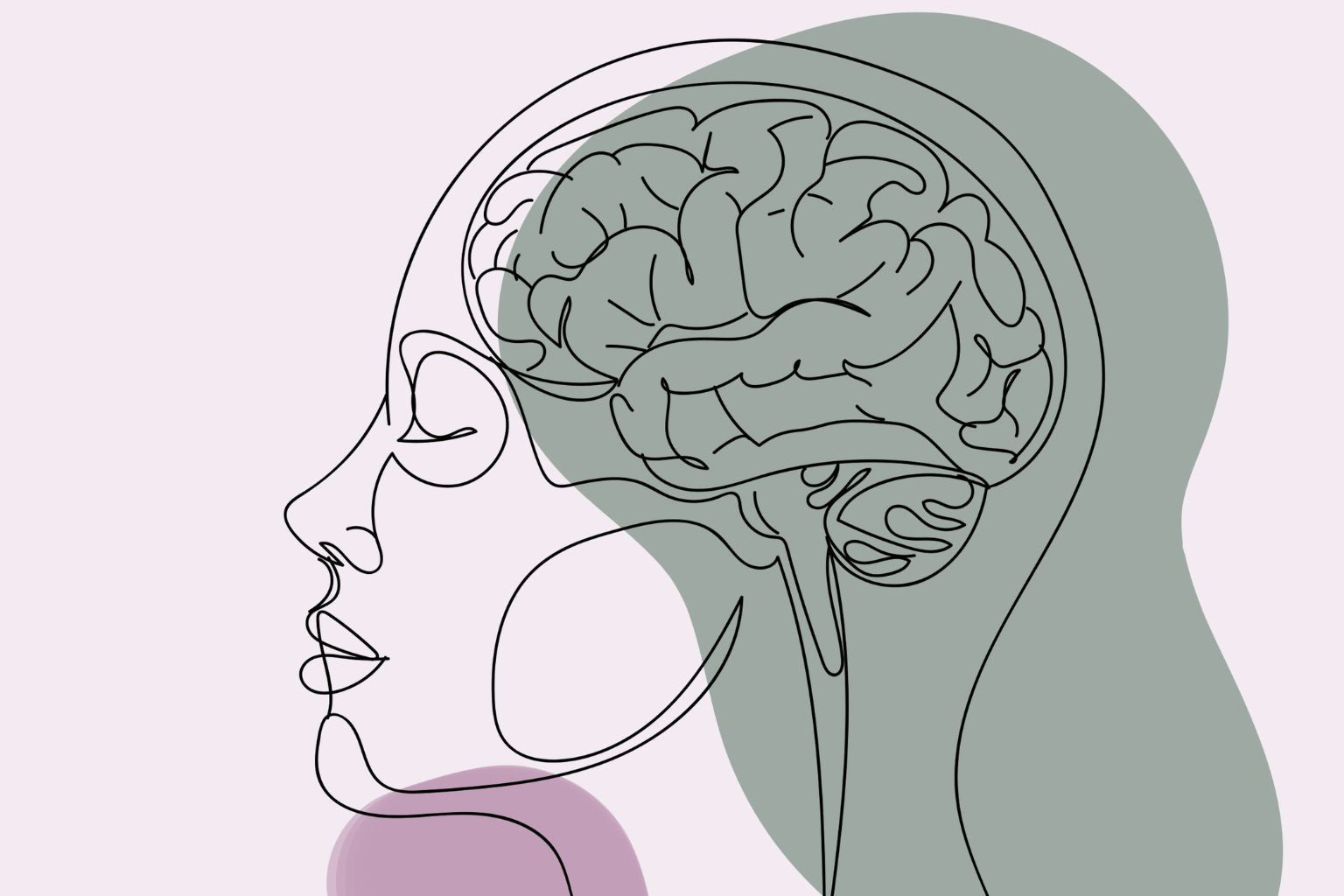



Why Smoking Is Addictive
Smoking affects both the body and the brain. Nicotine, in particular, can provide short-term relaxation or improved concentration. Over time, this leads to physical and psychological dependence. Stress, boredom, or social situations can quickly lead to automatically reaching for a cigarette.
1. The role of nicotine
Nicotine activates certain areas of the brain and influences the release of neurotransmitters such as dopamine. This creates a short-term pleasant sensation that many people associate with calm or reward. Over time, however, the body becomes accustomed to this effect. This leads to a craving for more and more cigarettes.
2. Habits and Daily Life
In addition to physical dependence, established routines often play an important role. For example, many people automatically reach for a cigarette when stressed, after eating, or in social situations. Quitting smoking therefore often also means consciously changing familiar behavior patterns.
What Happens in the Body When You Quit Smoking
Shortly after the last cigarette, the body begins important regeneration processes. Since no further toxins or nicotine are being introduced, various organs and bodily functions can gradually recover. Many positive changes begin within the first few hours and continue over the following weeks and months. How quickly these processes occur can vary from person to person.
1. Improved oxygen supply
The body’s oxygen supply can improve shortly after quitting smoking. The blood once again transports oxygen more efficiently to organs, muscles, and tissues, which can have a positive effect on overall well-being.
2. Circulation stabilizes
Circulation begins to recover as soon as nicotine is no longer ingested. Blood pressure and heart rate can gradually normalize, thereby relieving strain on the cardiovascular system.
3. Lungs begin to recover
After quitting smoking, the lungs initiate important cleansing and regeneration processes. Cilia in the airways can resume their natural function more effectively, helping to clear mucus and harmful substances.
4. Sense of smell and taste improve
Tobacco smoke can impair the sensory cells in the nose and mouth. As a result, many smokers perceive smells and tastes less intensely over time. After quitting smoking, these sensory cells are no longer constantly exposed to harmful substances and can gradually recover.
5. More energy in daily life
Thanks to improved oxygen supply and the body’s gradual recovery, many people feel more energetic in their daily lives. Physical activities often become easier, and overall stamina may increase.
6. The body regenerates
With every smoke-free week, the body continues to regenerate. Many organs and tissues benefit in the long term from avoiding tobacco smoke, which can lead to a lasting improvement in overall health.

How the body recovers after quitting smoking
Typical withdrawal symptoms when quitting smoking
The severity of these symptoms can vary from person to person. While some people notice only mild symptoms, others find the first few weeks particularly difficult. It is important to know that withdrawal symptoms are usually temporary and improve significantly over time.
1. Restlessness
Many former smokers report feeling restless in the first few days after quitting. The body must first adjust to the lack of nicotine, which can lead to increased feelings of tension. Relaxation techniques, exercise, or mindful breathing exercises can help you cope better with this phase.
2. Irritability
Increased irritability is one of the most common withdrawal symptoms. Everyday situations may feel more stressful than usual for a time. As the period of not smoking continues, this feeling subsides for most people.
3. Cravings
During nicotine withdrawal, many people experience an increased appetite or cravings for sweet and high-calorie foods. A balanced diet and healthy snacks can help you get through this phase more easily.
4. Sleep problems
Changes in sleep patterns or difficulty falling asleep can occur, especially in the first few weeks. The body adapts to the new situation, and sleep disturbances usually return to normal.
5. Concentration problems
Many people notice temporary difficulty concentrating after quitting smoking. This is because the brain has to get used to the absence of nicotine. Over time, mental performance usually improves again.
6. Mood
swings Mood swings can also occur during withdrawal. Feelings such as frustration, nervousness, or low mood are not uncommon. It is important to realize that these symptoms are usually only temporary.

Common withdrawal symptoms
Additional steps to quit smoking
In addition to motivation and discipline, small changes in daily life can also help make quitting smoking more successful in the long term. It is particularly helpful to establish new habits and consciously ensure balance and relaxation.
1. Exercise and activity
Regular exercise can help reduce stress and improve overall well-being. Many people also find that taking walks or exercising serves as a helpful distraction during the quitting process.
2. Establishing new habits
New routines can help gradually replace old smoking habits. These include, for example, scheduled breaks without a cigarette or small rituals in daily life.
3. Get Enough
Sleep Getting enough sleep supports recovery and can help you better cope with stress and mood swings.
4. Consciously Reduce Stress
Relaxation techniques such as meditation, breathing exercises, or yoga can help reduce inner restlessness while quitting smoking.
When professional support is helpful
Not everyone quits smoking right away. Especially in cases of heavy dependence or frequent relapses, professional support can help you stay smoke-free in the long term. Above all, it’s important not to put pressure on yourself and to view setbacks as part of the process of change.
The following can be helpful:- Smoking cessation courses
- Behavioral therapy
- Medical consultation
- Self-help groups
- Individual support
These medicinal plants can help you
Certain medicinal plants are traditionally used to promote relaxation, inner balance, or general well-being while quitting smoking. They are not a substitute for smoking cessation, but can However, provide supportive care for the body.

Natural medicinal plants to help you quit smoking
- Passionflower is often used to promote relaxation and inner peace.
- Valerianis considereda classic medicinal plant for treating nervousness and restlessness.
- Lemon balm has calming properties and is traditionally used for stress and tension.
- Oatsareoften used to support resilience and the nervous system.
- St. John's wort is traditionally used to support emotional balance.